
Need small electrical handyman services in Chicago? EVO Home Repair helps homeowners, landlords, condo owners, property managers, HOAs, and small businesses with practical electrical updates such as light fixture installation, outlet replacement, switch replacement, GFCI outlet replacement, ceiling fan installation, Ring doorbell installation, exterior lighting, and microwave installation.
This service page focuses on the small electrical jobs people actually need around a home, apartment, condo, rental unit, storefront, or office. If you have a loose outlet, outdated switch, old light fixture, non-working exterior light, new ceiling fan, smart doorbell, or over-the-range microwave that needs to be installed, send photos and a short description of the location.
Our work is photo-based, practical, and focused on clean installation. You can text pictures of the fixture, outlet, wall box, mounting area, existing switch, doorbell location, fan box, or microwave space before scheduling.
Need a small electrical repair or installation?
Text photos of the outlet, switch, light fixture, fan, doorbell, microwave area, or exterior light. We can review the visible scope before scheduling.
Small Electrical Handyman Services in Chicago
EVO Home Repair provides small electrical handyman services for everyday residential and light commercial needs. The most common requests include replacing old outlets, installing GFCI outlets, replacing wall switches, installing new light fixtures, mounting ceiling fans, replacing exterior lights, installing smart doorbells, and installing microwaves in prepared locations.
These are the electrical updates that improve daily use, lighting, comfort, safety, and appearance without turning a small repair into a full remodel. Many customers contact us after buying a new fixture, fan, doorbell, outlet, switch, vanity light, or microwave and needing it installed cleanly.
Electrical Services We Handle
Our electrical handyman work is built around practical installations, replacements, and visible repair needs. Send clear photos of the current fixture, device, wall, box, outlet, switch, or mounting area so we can understand the job before the visit.
Light Fixture Installation and Replacement
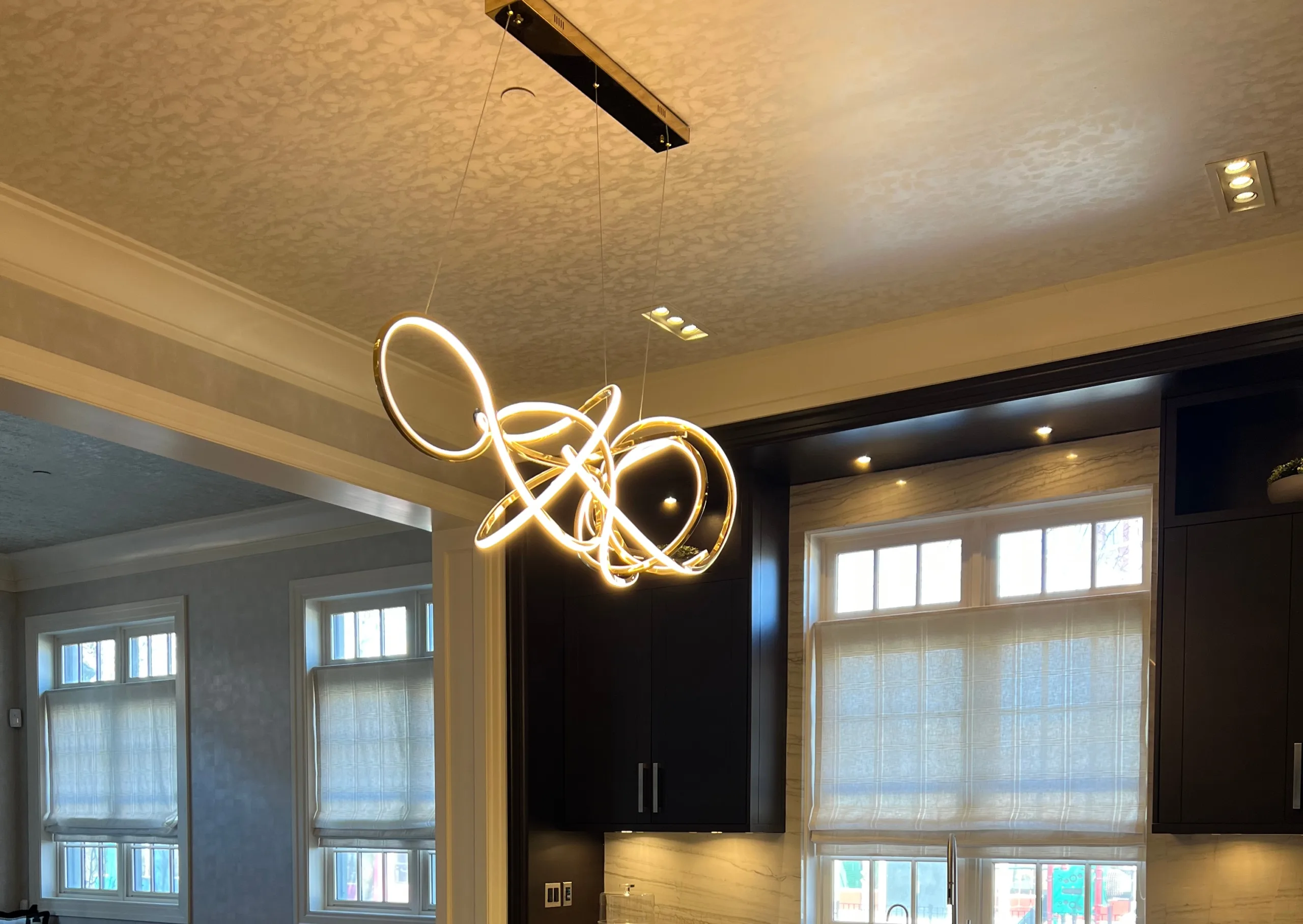
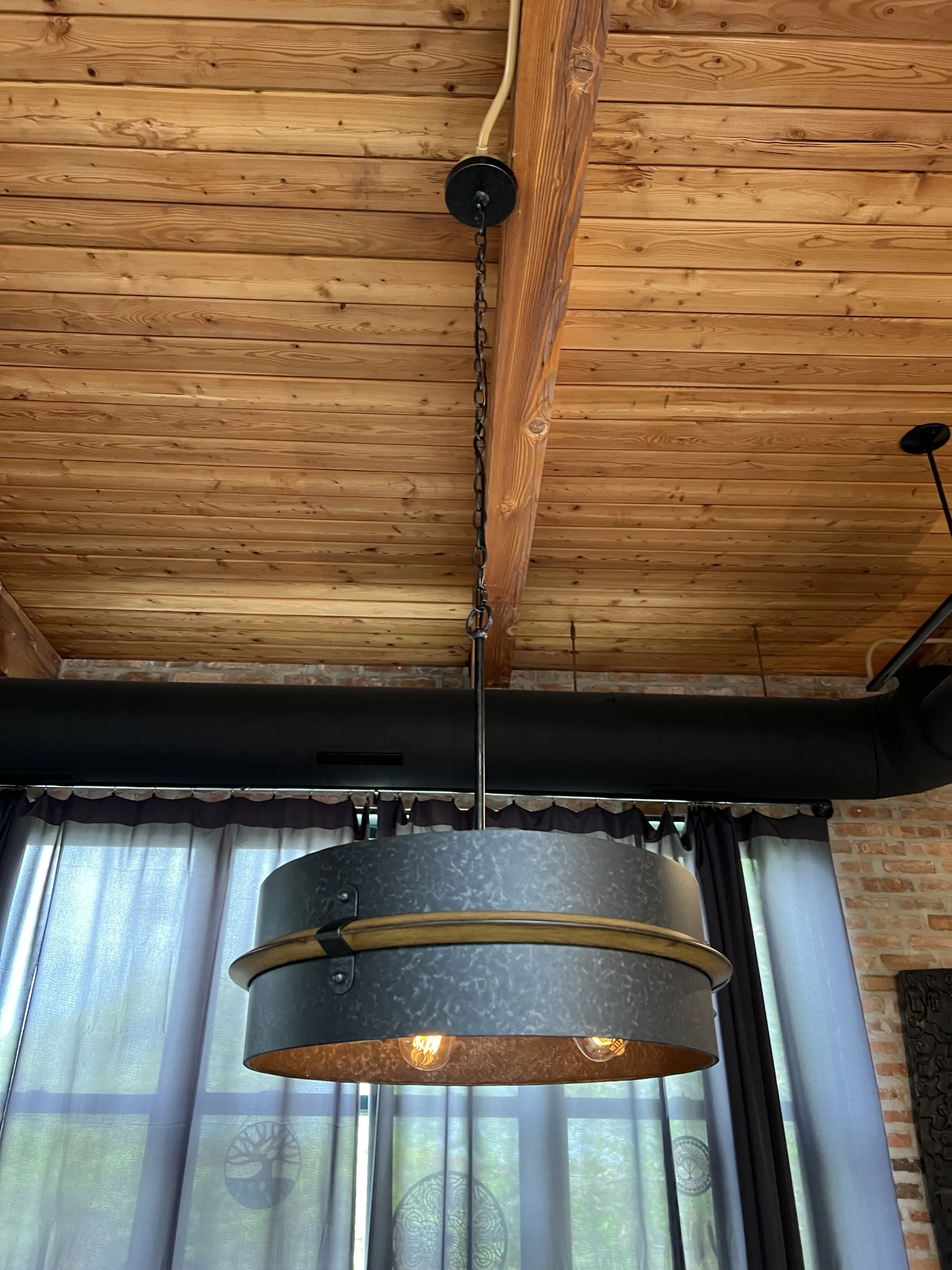
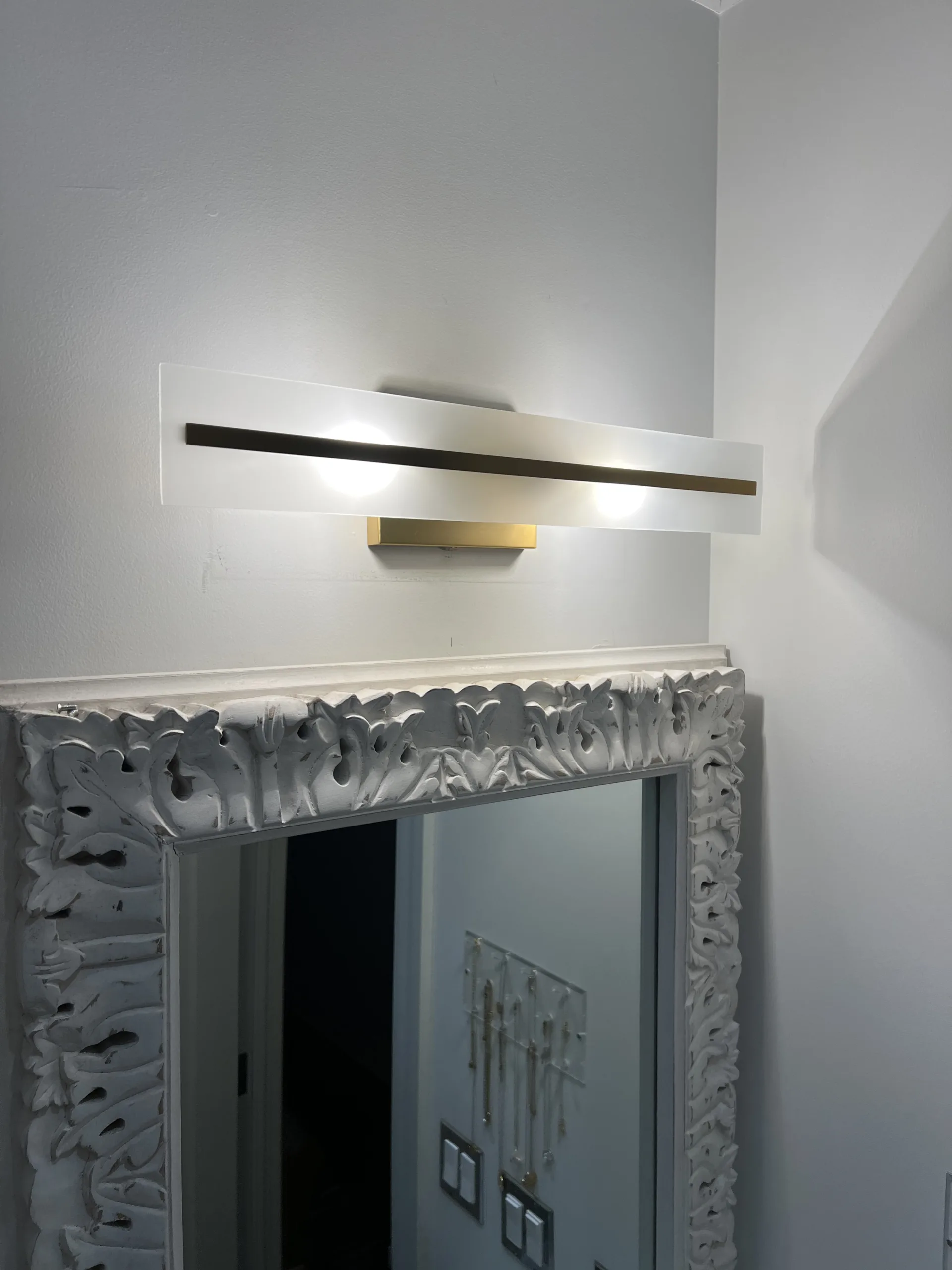
We install and replace many types of interior light fixtures, including pendant lights, dining room chandeliers, vanity lights, flush mount lights, LED ceiling lights, and decorative fixtures. This is a common service for kitchens, bathrooms, bedrooms, dining rooms, hallways, entry areas, rental units, and condos.
Typical light fixture work includes removing the old fixture, checking the mounting area, installing the new mounting bracket, connecting the fixture in the existing location, setting the final height or position when applicable, installing bulbs or LED components, and confirming that the light operates correctly.
Outlet Replacement, Switch Replacement, and GFCI Outlets
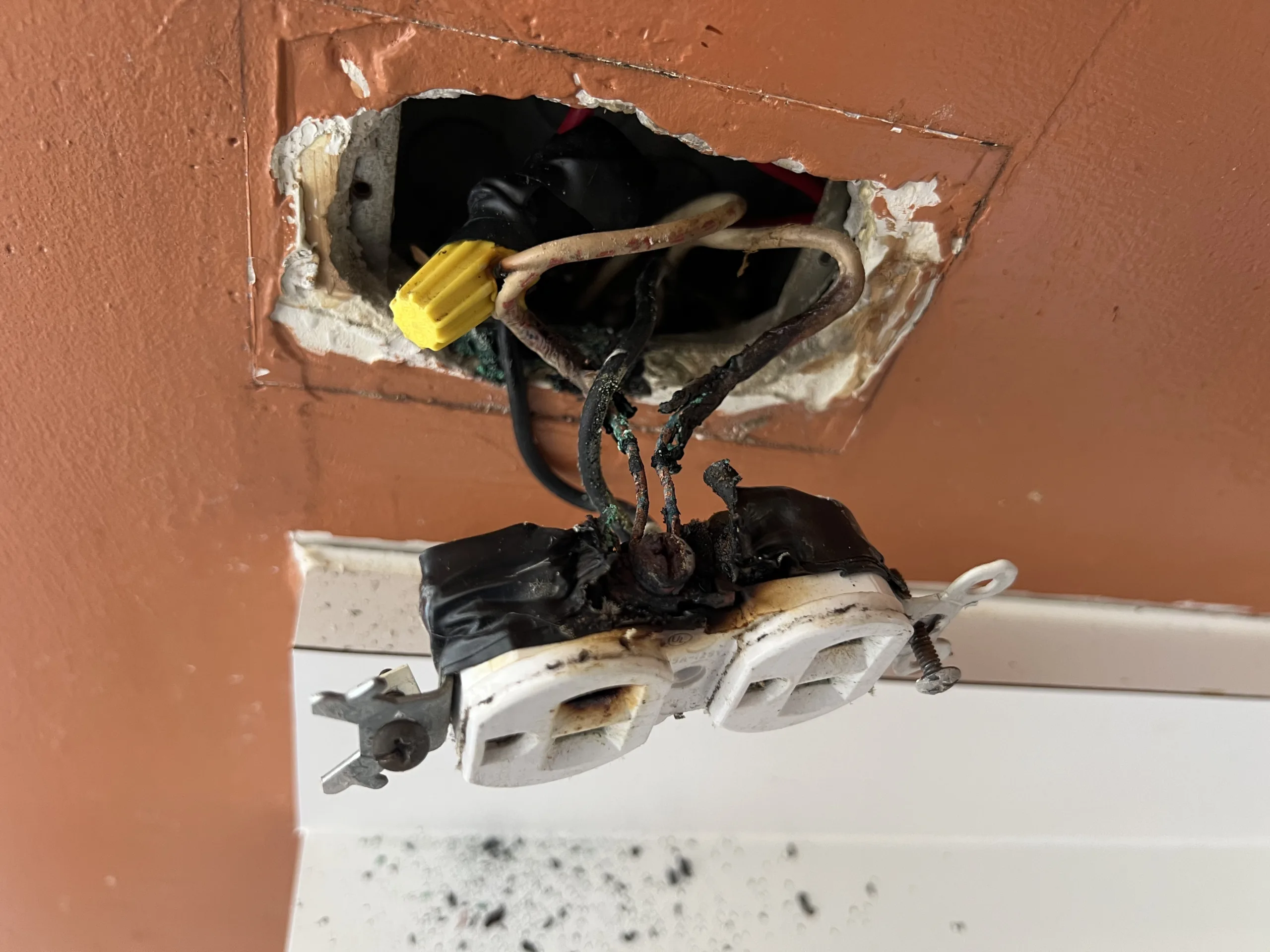
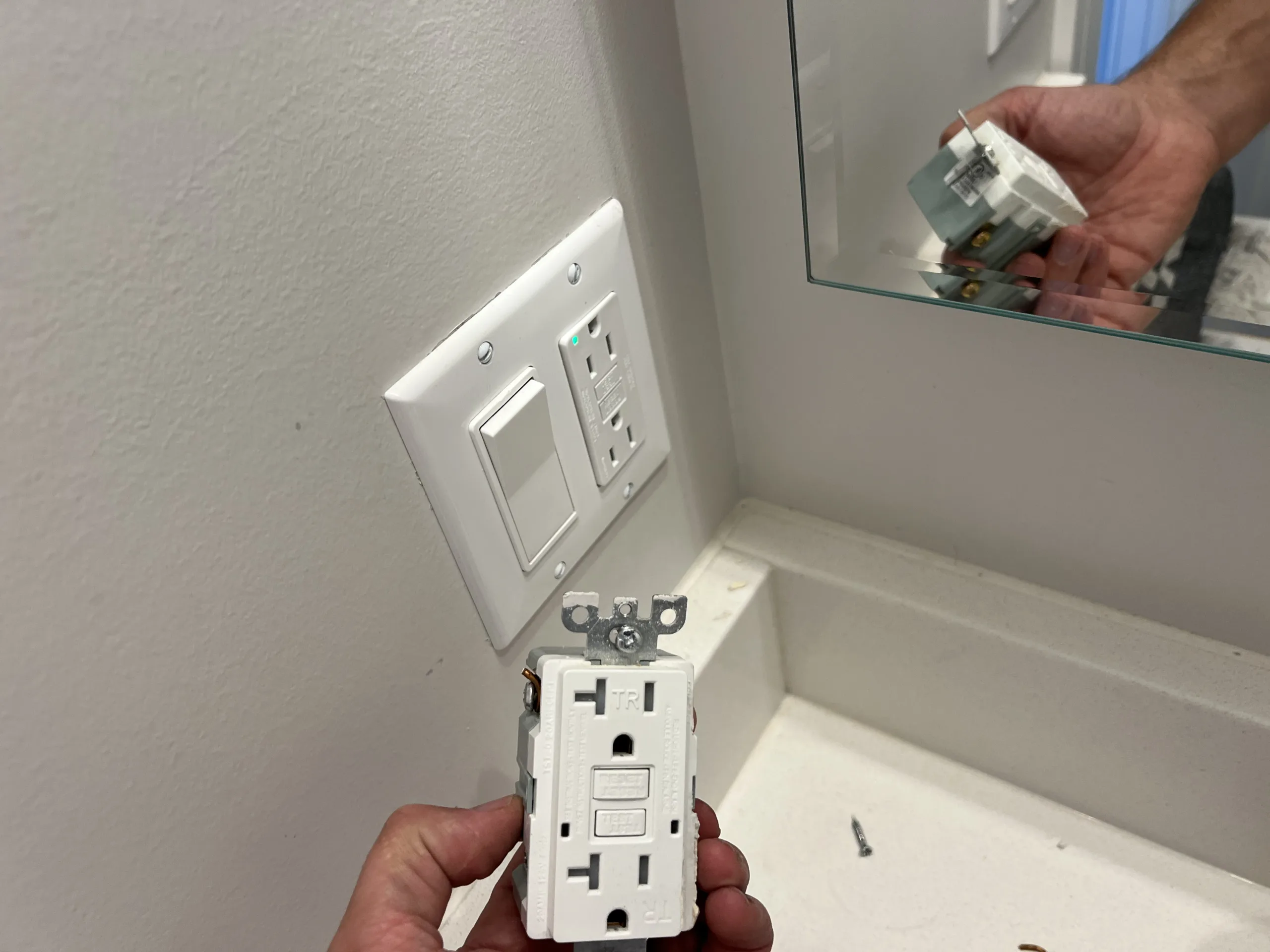
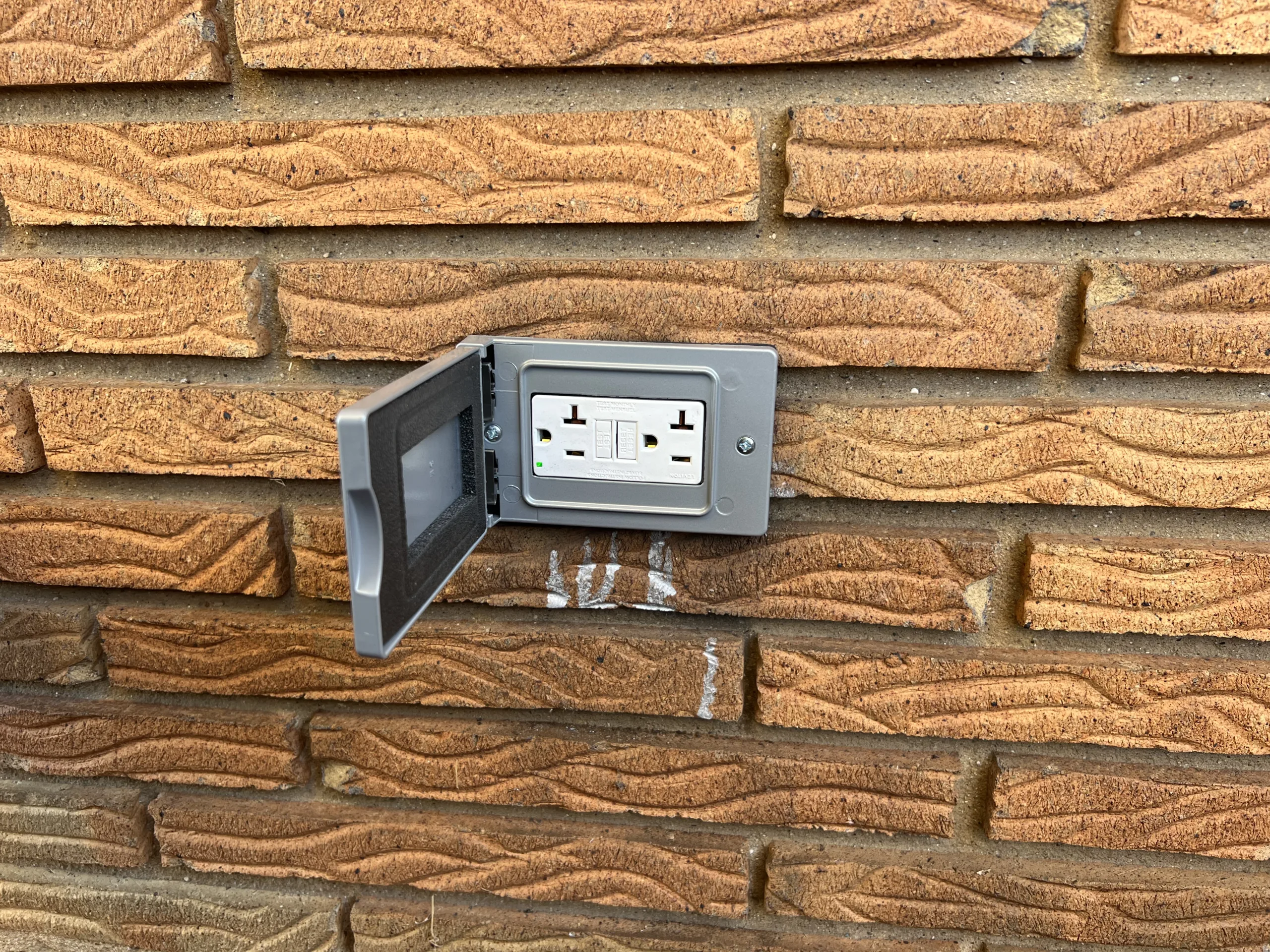
Old, loose, cracked, discolored, or damaged outlets and switches can make a room look neglected and can also create daily use problems. We replace standard outlets, wall switches, switch plates, GFCI outlets, bathroom outlets, kitchen outlets, and exterior outlets where the existing location is ready for replacement.
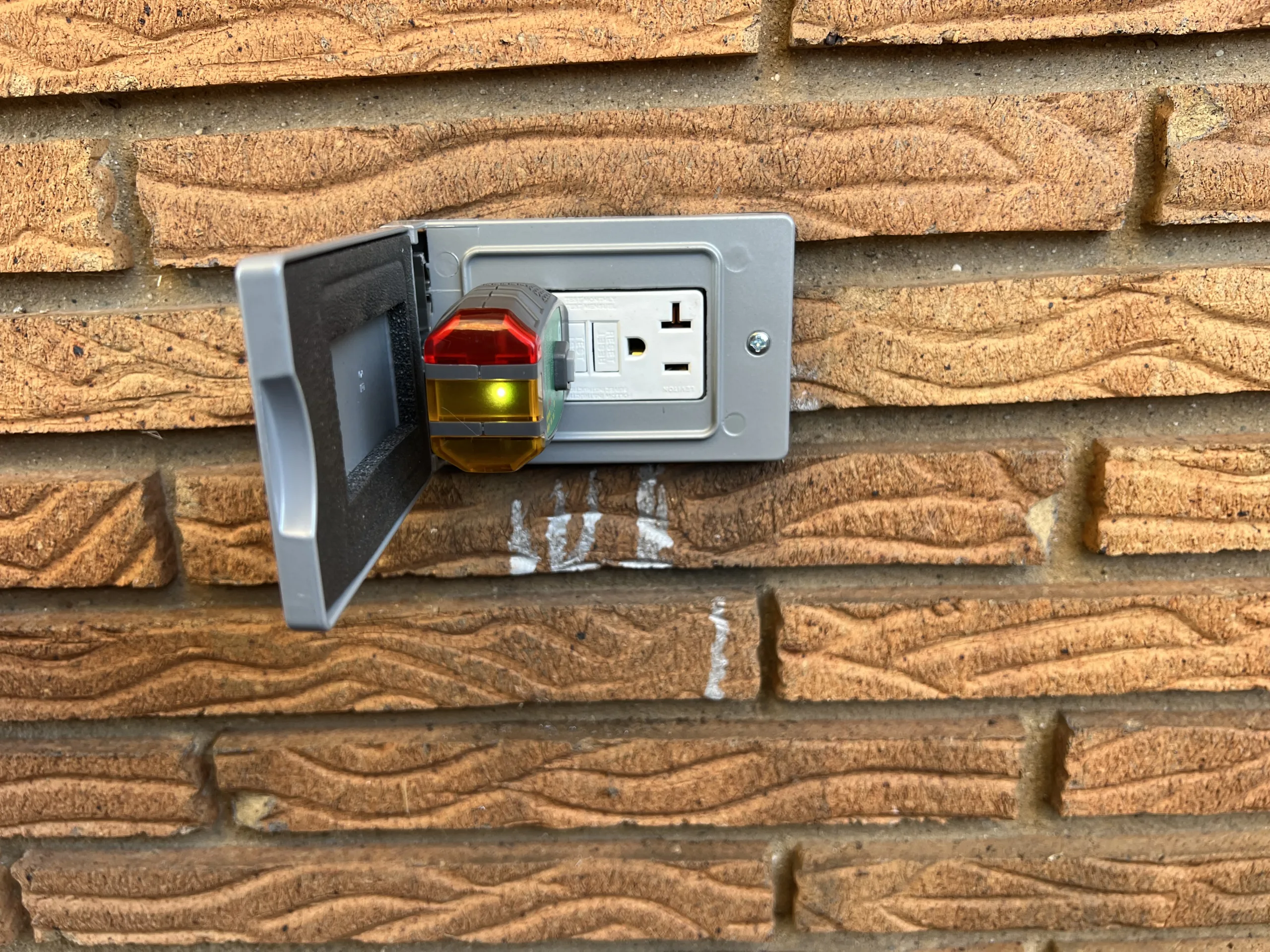
GFCI outlet replacement is common in bathrooms, kitchens, garages, basements, laundry areas, and exterior locations. Customers often call when the reset button no longer works, the outlet feels loose, the cover is damaged, or an older outlet needs to be updated.
Ceiling Fan Installation and Ceiling Light Replacement
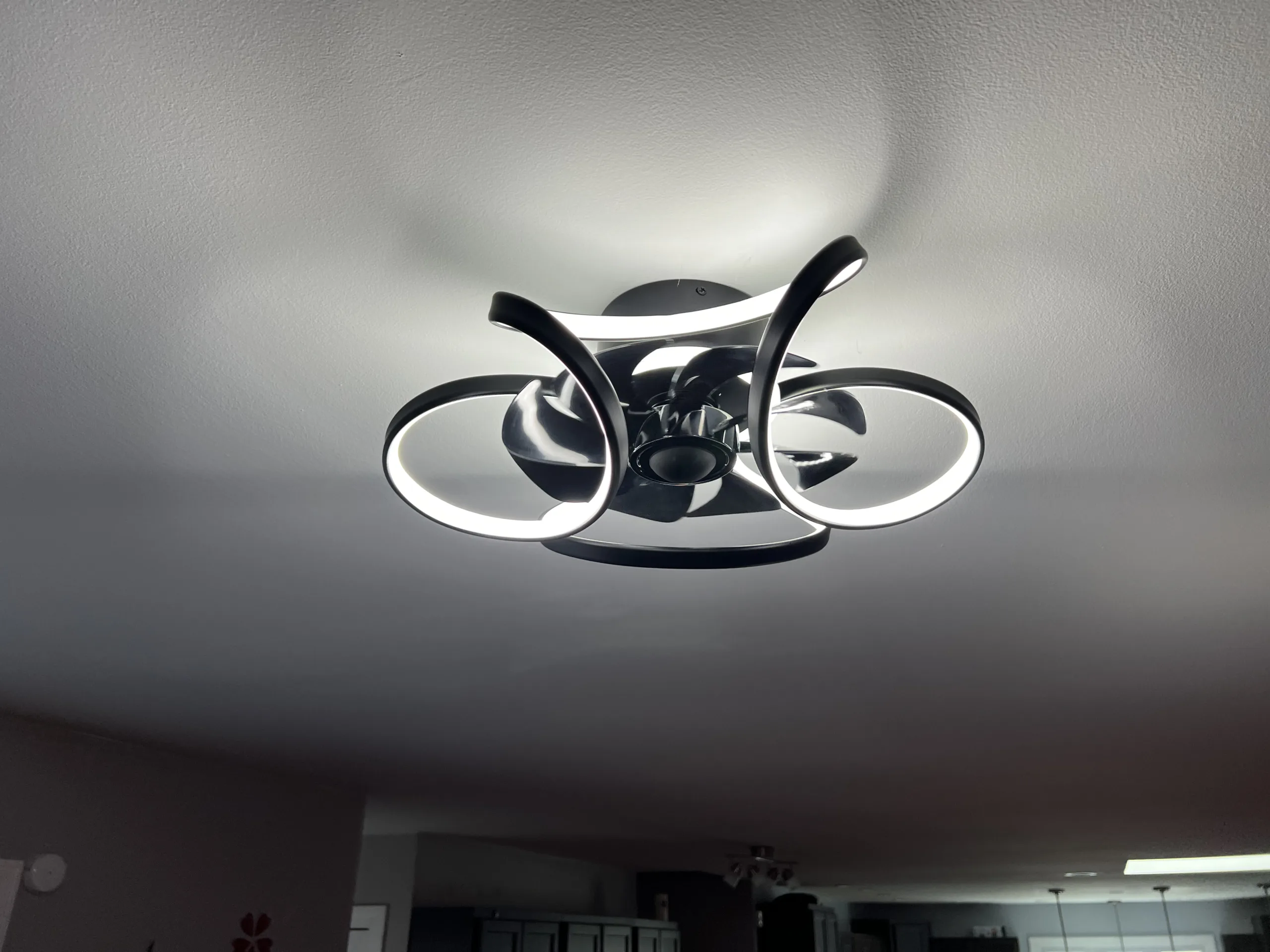
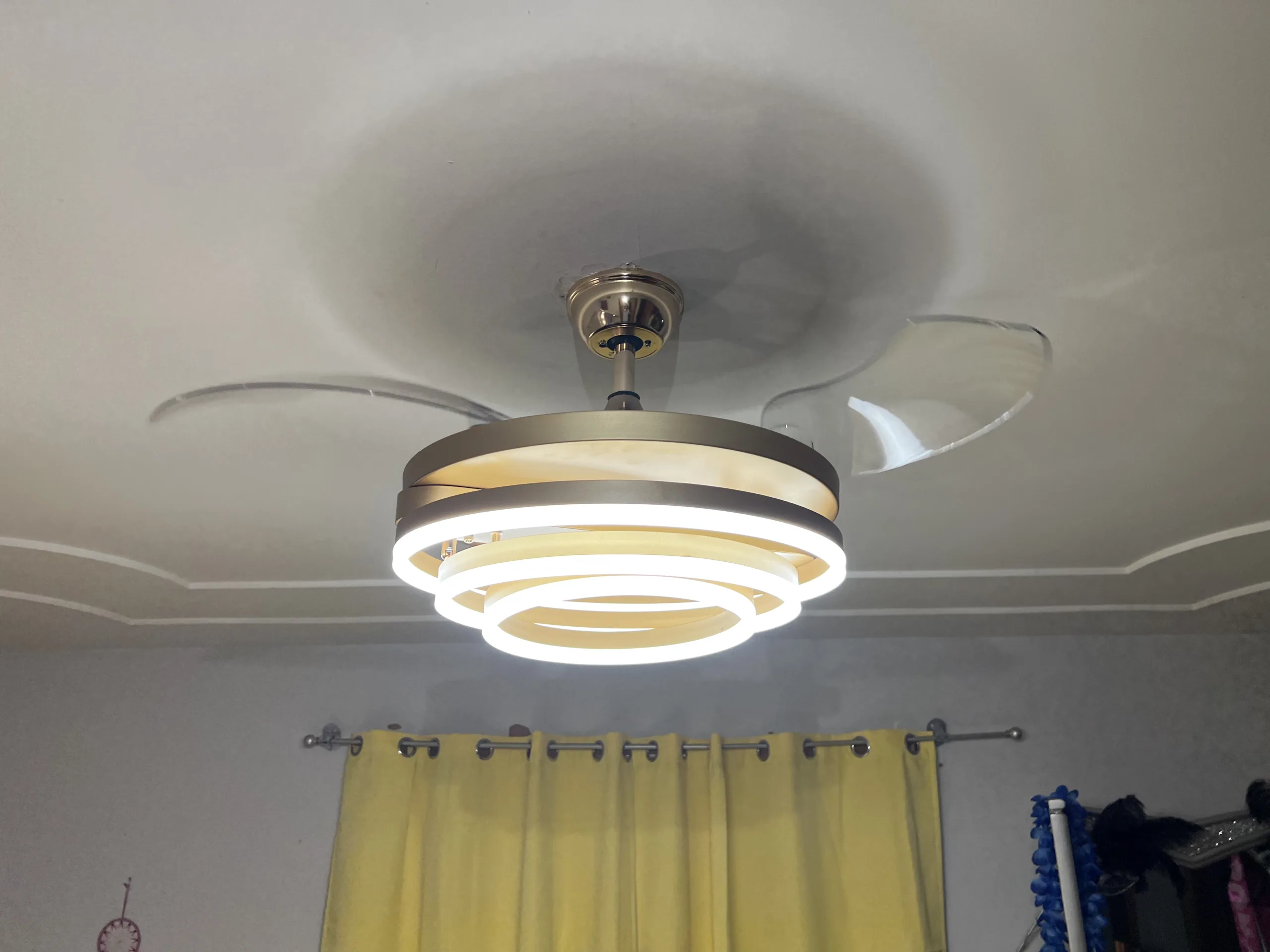
Ceiling fans and modern LED ceiling lights can change the comfort and look of a room quickly. We install ceiling fans, ceiling fan light combinations, flush mount lights, and modern LED ceiling fixtures in existing ceiling locations.
For ceiling fan installation, photos of the current ceiling fixture and room help determine the basic scope. For LED ceiling fixtures, photos of the current light, ceiling surface, and fixture box area help confirm the replacement style.
Exterior Light Installation and Replacement
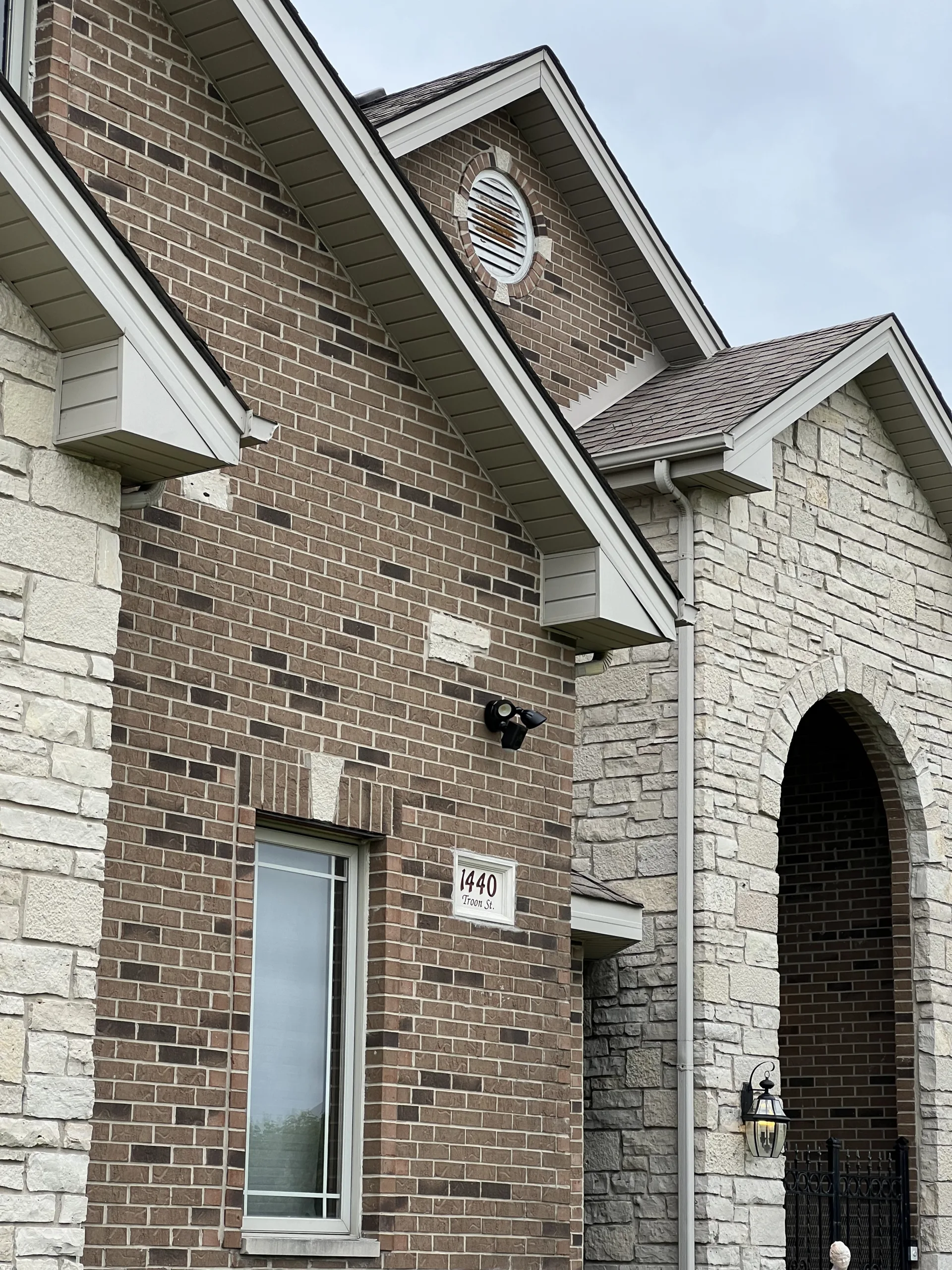
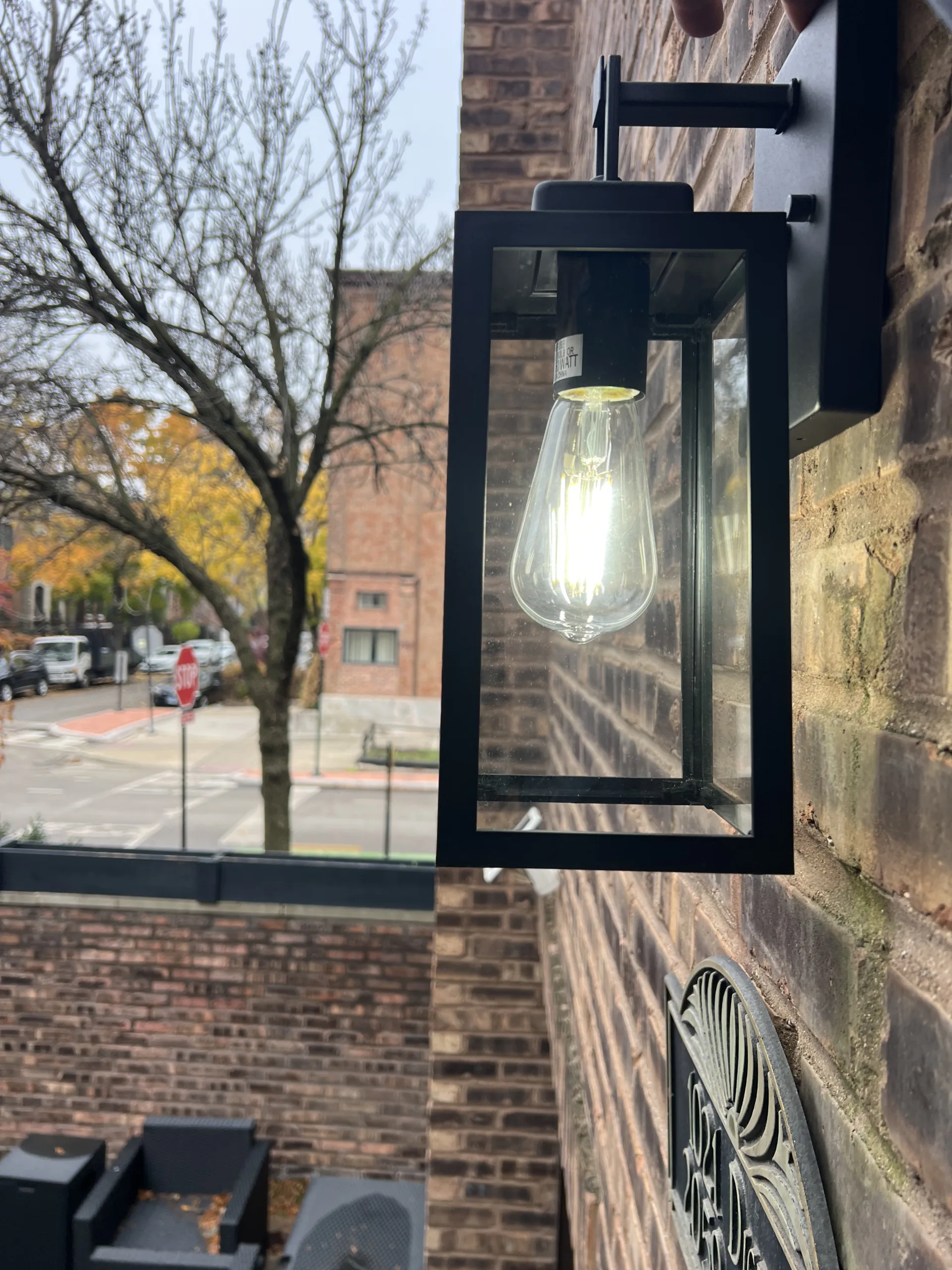
Exterior lighting helps with visibility, entrances, porches, walkways, garages, side doors, and building access. We replace and install exterior wall lights, porch lights, motion sensor lights, security lights, and exterior fixture covers in existing locations.
Chicago weather can be hard on exterior fixtures. Older lights may rust, loosen, stop working, collect moisture, or no longer match the property. A clean replacement can improve both appearance and daily use.
Ring Doorbell and Smart Doorbell Installation
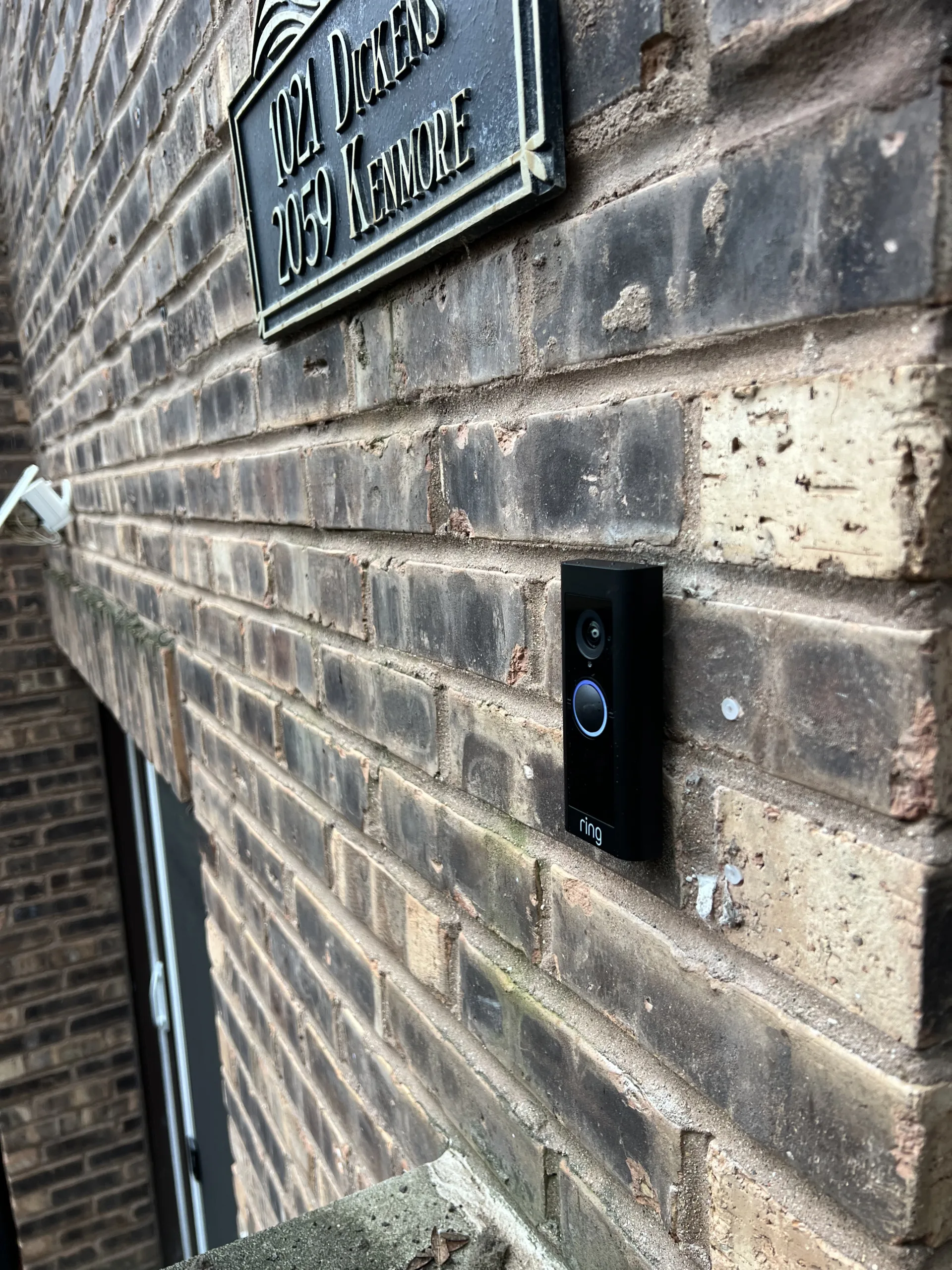
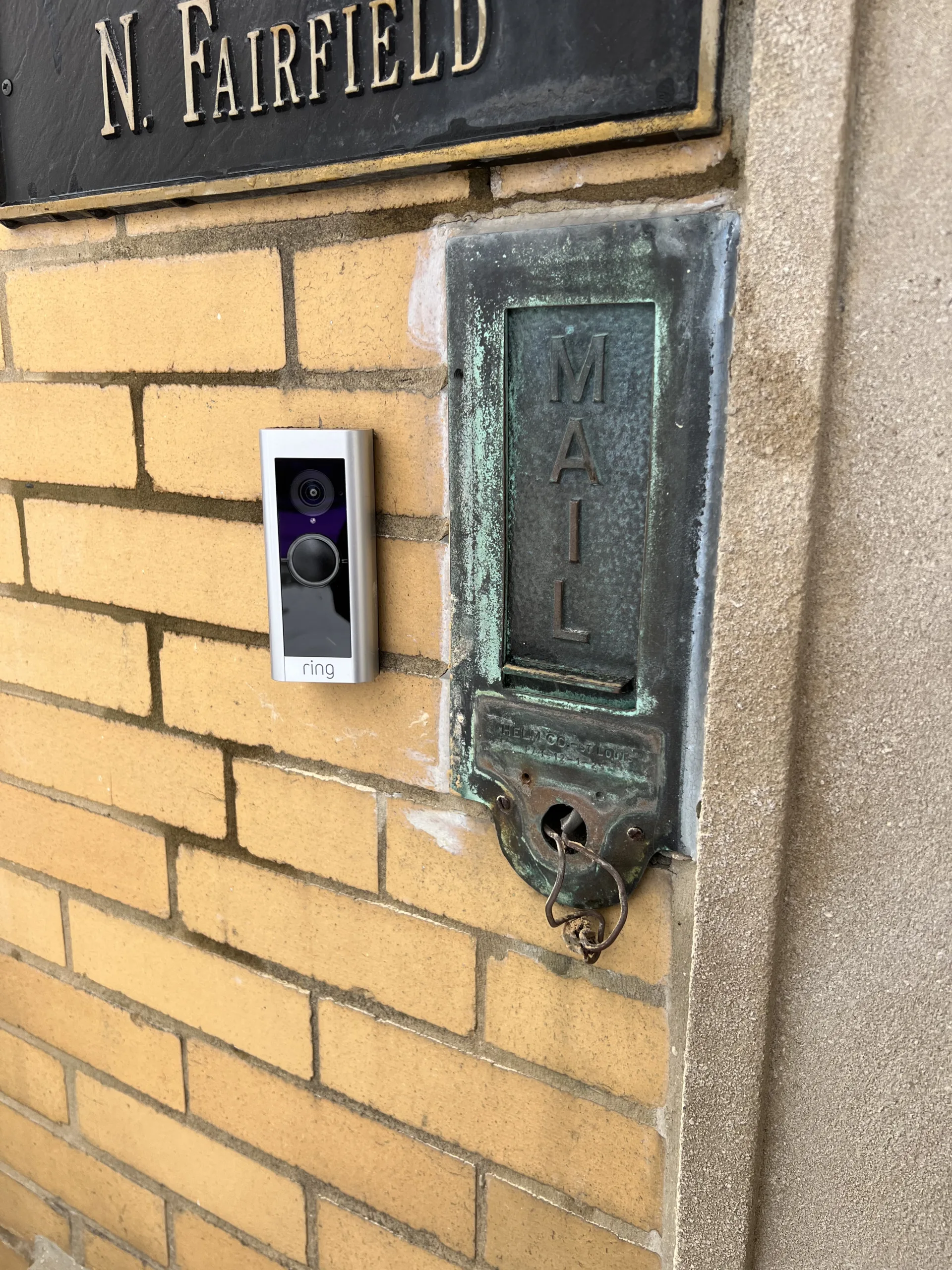
We install Ring doorbells and smart doorbells for homes, condos, apartment buildings, and small properties where the mounting location is prepared. This may include removing an old doorbell button, installing the new doorbell bracket, mounting the device, and setting the device cleanly on brick, siding, trim, or another exterior surface.
For doorbell installation, send photos of the front door area, existing doorbell location, wall surface, and the device you want installed. Clear photos help determine whether the location is straightforward before scheduling.
Microwave Installation
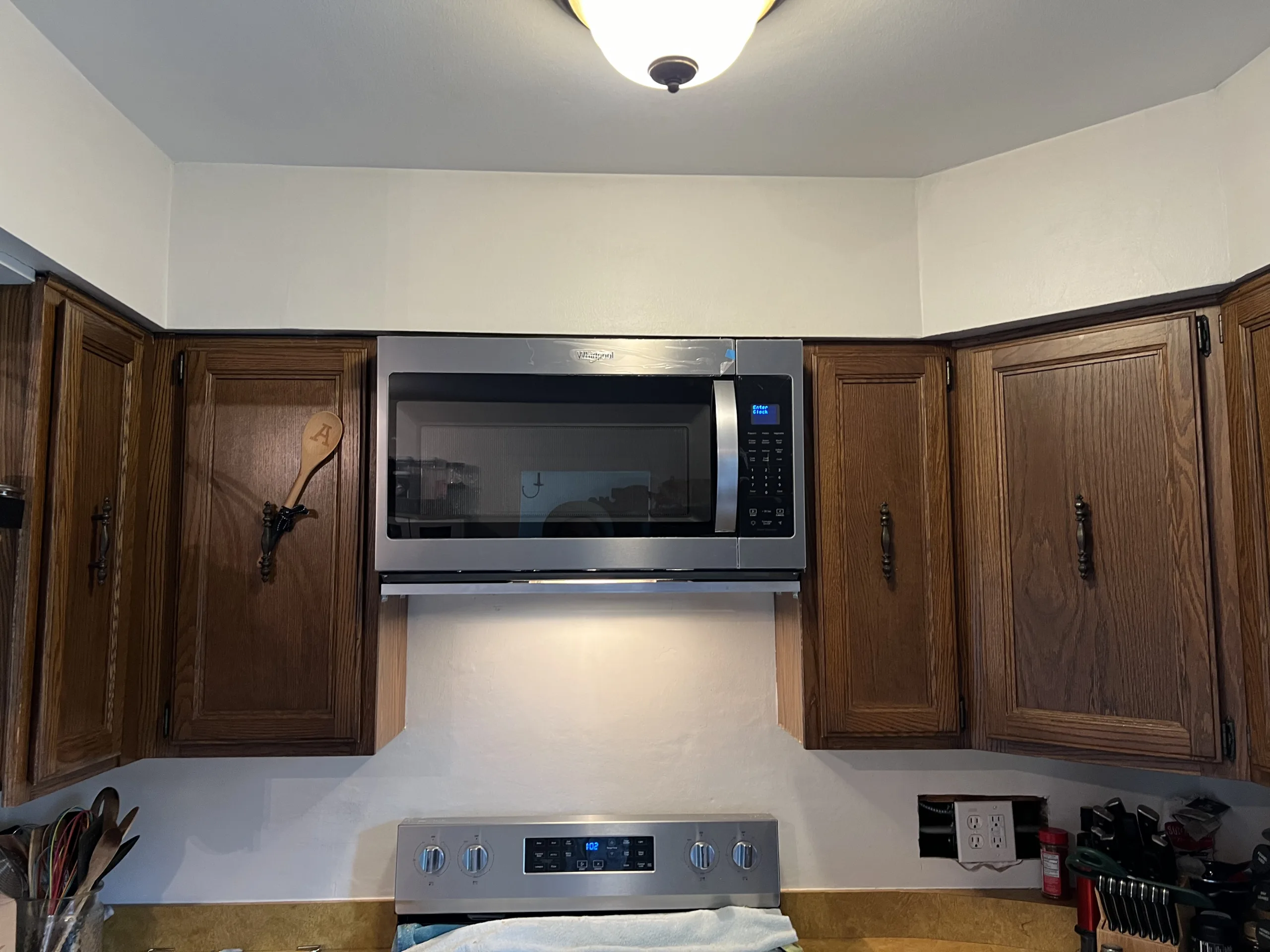
We also help with microwave installation, including over-the-range microwave replacement or mounting when the cabinet, wall, outlet, and venting location are already prepared for the appliance. This is common during kitchen updates, apartment turnover work, rental repairs, or replacement of an older microwave.
Before scheduling microwave installation, send photos of the old microwave, cabinet area, outlet location, wall surface, mounting bracket if present, and the new microwave model. This helps avoid surprises and confirms whether the space is ready for a clean installation.
Send photos before the visit
For outlets, switches, lights, fans, doorbells, and microwaves, photos usually show the visible scope. Send the current setup and the new item you want installed.
Common Electrical Handyman Jobs We Help With
- Replacing old light fixtures with modern LED fixtures
- Installing dining room chandeliers, pendant lights, and ceiling lights
- Replacing bathroom vanity lights
- Replacing loose, cracked, or outdated outlets
- Installing GFCI outlets in existing bathroom, kitchen, exterior, garage, or basement locations
- Replacing light switches, wall switches, dimmers, and smart switches
- Installing or replacing ceiling fans and fan/light combinations
- Replacing exterior wall lights, porch lights, and motion lights
- Installing Ring doorbells and smart doorbells
- Installing microwaves in prepared kitchen locations
- Small electrical punch-list work for rental units, apartments, condos, and property managers
How Our Small Electrical Service Works
1. Send Photos of the Current Setup
Start by sending photos of the existing outlet, switch, light fixture, ceiling fan, exterior light, doorbell, or microwave area. Include a wider photo of the room or wall and a close-up of the device or fixture.
2. Show the New Fixture or Device
If you already purchased the new item, send a photo of the box, model label, mounting hardware, and instructions if available. This is useful for light fixtures, ceiling fans, Ring doorbells, smart switches, and microwaves.
3. We Review the Visible Scope
We look at the location, mounting surface, existing device, fixture type, and visible access. This helps determine whether the job looks like a standard small electrical handyman service or whether more information is needed before scheduling.
4. Installation or Replacement
During the visit, the old fixture or device is removed, the mounting area is prepared, the new item is installed, the cover plate or trim is set cleanly, and the finished installation is checked for basic operation.
5. Clean Finish
The goal is a clean finished result: straight cover plates, properly seated fixtures, stable mounting, clean exterior covers, aligned doorbells, and lighting that looks right in the space.
Who This Service Is For
This electrical handyman service is useful for Chicago homeowners who want to update lights and outlets, landlords preparing a rental unit, property managers handling punch-list repairs, condo owners replacing fixtures, HOAs maintaining shared areas, and small businesses that need practical fixture or device replacement.
- Homeowners updating old lights, fans, outlets, and switches
- Landlords preparing rental units between tenants
- Property managers handling small repair lists
- Condo owners replacing vanity lights, pendant lights, and smart doorbells
- HOAs and building managers needing small fixture replacements
- Small business owners updating lighting, doorbells, or small fixtures
Chicago Service Area
EVO Home Repair serves Chicago and nearby areas within an approximately 15-mile service area. Common service requests come from homeowners, landlords, condo owners, and property managers across Chicago neighborhoods and nearby suburbs.
Service area examples include Northwest Side, North Side, West Side, Avondale, Irving Park, Portage Park, Jefferson Park, Logan Square, Albany Park, Lincoln Square, Lakeview, Lincoln Park, West Town, Wicker Park, Bucktown, Uptown, Edgewater, Rogers Park, Norridge, Harwood Heights, Park Ridge, Skokie, Lincolnwood, Morton Grove, Evanston, Oak Park, Elmwood Park, River Forest, Forest Park, and nearby areas.
When Photos Help the Most
Photos are especially helpful for small electrical work because they show the visible fixture, device, wall surface, mounting area, and access. Before contacting us, take one close-up photo and one wider photo of the area.
- For outlet replacement: show the outlet, cover plate, nearby wall, and room location
- For GFCI replacement: show the outlet face, reset buttons, and surrounding area
- For light fixture installation: show the old fixture and the new fixture box
- For ceiling fans: show the current ceiling fixture and the room
- For exterior lights: show the wall, fixture, and access height
- For Ring doorbells: show the door area, existing doorbell, and wall material
- For microwave installation: show the cabinet, wall, old microwave, outlet area, and new unit
When Additional Review May Be Needed
Some jobs need more information before scheduling. If the photos show damaged wiring, repeated failure, burning, moisture, unstable mounting, unusual access, missing support, hidden wall conditions, or a device that does not match the existing setup, we may ask for more photos or details first. The goal is to avoid turning a simple service call into the wrong scope.
For any electrical handyman request, send photos first. We will review the visible condition and tell you what information is needed before moving forward.
Related Services
- Handyman Services in Chicago
- Light Fixture Installation in Chicago
- Ceiling Fan Installation in Chicago
- Outlet and Switch Replacement in Chicago
- TV Mounting and Wall Mount Installation in Chicago
- Kitchen Handyman Services in Chicago
- Property Maintenance Handyman Services in Chicago
- Contact EVO Home Repair
Frequently Asked Questions
Can a handyman replace outlets and switches?
Yes, outlet and switch replacement is one of the most common small electrical handyman requests. Send photos of the current outlet or switch, the wall area, and the replacement device so the visible scope can be reviewed before scheduling.
Do you install light fixtures in Chicago homes and apartments?
Yes. We install many common light fixtures, including pendant lights, vanity lights, dining room chandeliers, flush mount lights, LED ceiling lights, and exterior wall lights in existing locations.
Can you install a ceiling fan?
Yes, we install ceiling fans and ceiling fan light combinations where the ceiling location is ready for the fixture. Photos of the existing ceiling fixture and the new fan help confirm the visible scope.
Do you install Ring doorbells?
Yes. We install Ring doorbells and smart doorbells on common exterior surfaces such as brick, siding, trim, or prepared door areas. Send photos of the existing doorbell location and the device you want installed.
Do you replace exterior lights?
Yes. We replace exterior wall lights, porch lights, motion lights, security lights, and exterior fixtures in existing locations. Photos help show the wall surface, access height, and fixture style.
Can you install an over-the-range microwave?
Yes, we help with over-the-range microwave installation when the kitchen location is prepared for the appliance. Send photos of the cabinet area, wall, old microwave, outlet location, and new microwave before scheduling.
What should I send before booking?
Send one close-up photo and one wider photo of the outlet, switch, light, ceiling fan, doorbell, exterior fixture, or microwave area. Also send a photo of the new product if you already purchased it.
Ready to schedule small electrical work?
Send photos of the light fixture, outlet, switch, fan, doorbell, exterior light, or microwave area. EVO Home Repair serves Chicago and nearby areas.